Commercial Roofing Done Right
Trained Crews. Proven Materials. 120+ Years of Experience.

Trained Crews. Proven Materials. 120+ Years of Experience.

All of our roofing technicians are extensively trained to repair almost any type of commercial roof with a deep understanding of building codes, energy solutions and roof systems—including all nine major roofing systems and more than 60 subsets.

Whether it’s metal, built-up, single ply, modified, or spray foam, we’ll install the energy-efficient roofing system that best meets your needs and budget. And while we hope there’s never an issue down the road, we can provide you with a full Labor.

Intervening with a roof restoration at the right time can save as much as half the cost of a complete tear-off and replacement, not to mention saving you the disruption to your business and the landfill waste created in the process.
Your roof does a lot of work quietly. Most of the time, you only think about it when there is already a leak, a missing tile, or a damp patch that has found its way indoors. The problem is that roof damage rarely starts as a major emergency. In many cases, the early signs are small, easy to miss, and much cheaper to deal with if they are spotted in time.
If you know what to look for, you can often catch a roofing problem before it spreads into the timbers, insulation, ceilings, or walls. Below are some of the early warning signs that your roof may need attention.
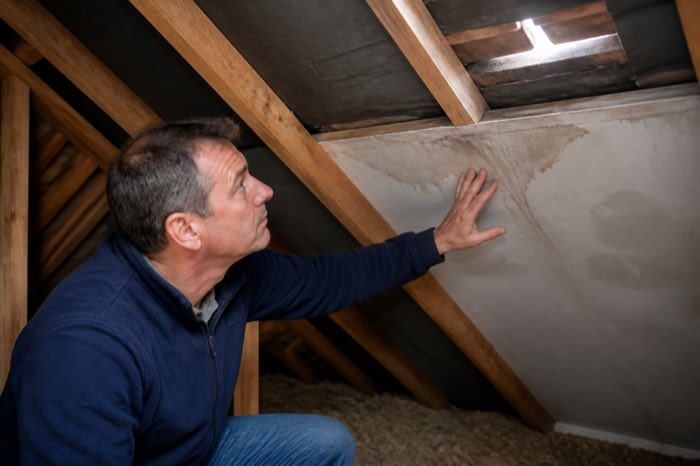
A small water stain in the loft can be one of the first signs that rain is finding a way through the roof. It may appear as a brown patch on timber, a darker mark on insulation, or a faint stain on the ceiling below. These marks can come and go depending on wind direction and rainfall, so they should not be ignored just because the area feels dry when you check it.
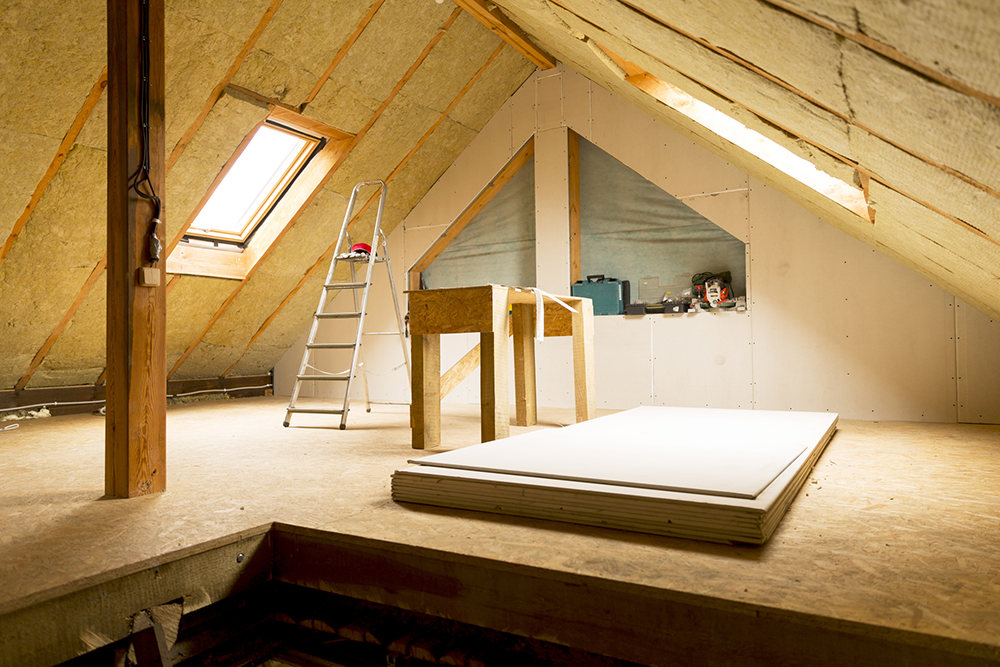
It is also worth looking for musty smells, mould growth, or insulation that feels damp or compressed. These are all signs that moisture may be getting into the roof space. Even a small leak can cause problems over time, especially during wet or cold months when the roof has less chance to dry out properly.
From ground level, you may be able to see tiles that have moved out of line, cracked, or disappeared altogether. A single slipped tile might not look serious, but it can leave the felt and timber underneath exposed to rain. Once water gets beneath the outer layer of the roof, it can travel before it becomes visible indoors.
After strong winds, heavy rain, or a cold spell, it is sensible to stand back from the property and check the roof from a safe position. Do not climb onto the roof yourself. A quick visual check from the garden, driveway, or upstairs window can still tell you a lot.
Blocked gutters can cause water to back up and spill into places it should not go. Leaves, moss, broken tile pieces, and other debris can stop rainwater from draining properly. Over time, that extra water can affect fascias, soffits, brickwork, and the lower edge of the roof.
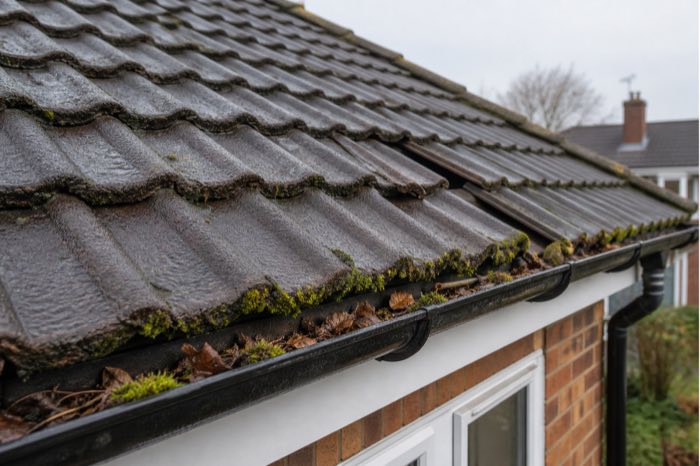
Moss on the roof is not always an emergency, but heavy moss growth can hold moisture and add weight. It can also break away and block gutters. If you regularly find pieces of tile, grit, or mortar in the guttering, that may be a sign that parts of the roof surface are wearing down.
Chimneys are a common place for roof leaks to begin. The flashing around the chimney has to keep water out where two different surfaces meet, and those joints can loosen or crack with age. Damaged pointing, gaps in the mortar, or lifted leadwork can all allow water into the roof.
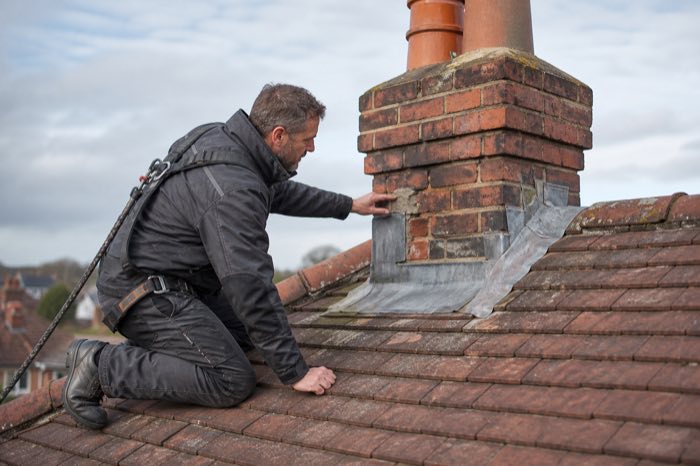
If you can see loose mortar, staining around the chimney breast, or damp patches near a fireplace, it is worth arranging a proper inspection. Small repairs around a chimney are usually much easier to manage than damage that has been left through several seasons of bad weather.
One of the biggest mistakes homeowners make is waiting until water is dripping through the ceiling. By that point, the leak may already have affected plasterboard, insulation, timber, or electrics. Early roofing repairs are usually more straightforward, less disruptive, and less expensive than emergency work after a leak has spread.
If something looks out of place, it is better to ask for advice sooner rather than later. A professional roofer can check the condition of the tiles, flashing, gutters, ridge, and roofline, then explain whether the issue needs a repair now or simply monitoring.
Spotting roof damage early is mostly about paying attention to small changes. Damp marks, slipped tiles, blocked gutters, and tired chimney flashing are all warning signs that should be checked before they turn into a bigger problem. Keeping on top of these details helps protect the rest of the home and can save you money in the long run.

If you plan on building your own house, you need to pay special attention to your roof. A healthy roof is critical if you want your home to last longer. It prevents any leakages into the house and can withstand any external pressure. You must, therefore, ensure that all the components are in good shape for a good roof. If you ignore the attic insulation, there is a high chance that you will have to deal with various kinds of issues later on, which will require you to incur more costs trying to do maintenance. Attic insulation plays a crucial role in keeping your roof in good condition. It minimizes the chance of your roof cracking and leaking due to roof cracks. Below are some of the benefits of roof attic insulation.
Your roof protects your home from external components such as rain and snow. It preserves your house to ensure that you are comfortable. If your roof has some defects, it may start leaking. Failure to immediately resolve the problems could lead to your roof developing severe issues such as mold and wood rot. If this happens, it exposes you to damages, especially if the situation is not corrected on time. When you have proper attic insulation, it helps to provide an extra layer of protection from any water damage and leaks. This means that you also get to minimize the appearance of cracks and gaps, which could potentially cause more damage and increase your repair and maintenance costs. That is why having adequate insulation is not something you should take lightly. You can save more money in the long run and channel it to other home projects if you prioritize proper attic insulation.
Proper attic insulation plays an essential role in protecting your roof shingles. In most cases, roof shingles are designed to last for a long time, but some tend to wear out faster. Depending on where you live, temperature changes could also affect the rate at which the roof shingles wear out. If the temperatures keep fluctuating from high to low, the shingles could crack. When your roof shingles are worn out, they expose your house to damage. With proper attic insulation, your roof shingles can last longer since the shingles become less vulnerable to changes in temperature. This reduces the risk of them cracking. Sufficient ventilation and proper attic insulation keep the temperatures inside the attic manageable. Keep in mind that heat from outside or inside the house should never build up in the attic. If it does, it promotes the buildup of moisture and encourages the spread of molds.
The other benefit of having proper attic insulation is that it improves the lifespan of your heating and cooling system. You will also save on costs because your air conditioner will not be in constant use throughout the year. Since the system will not be working so hard to keep your home heated or cooled, it minimizes the amount of wear and tears in the system, resulting in a longer lifespan.
Roof attic insulation is an excellent investment. It protects your home from damage and helps you save costs in the long run. Do not hesitate to invest in attic insulation if you want a healthy roof.
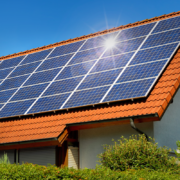
Apart from the fact that you will be actively participating in preserving the planet through the use of sustainable and renewable energy in your home, installing solar panels on your property will come with a host of other benefits including tax rebates, reduced monthly utility expenses, increased property value, and more market opportunities should you decide to sell the property, among others.
If you have chosen to go solar, there is one thing you should remember: the efficacy of your solar panels will depend on how well they are installed, and, the first step towards proper solar panel installation is ensuring that your roof is ready for the installation.
Below is a guide on how to prepare your roof for the installation of solar panels …
First, check the general health and condition of your roofing. Remember that the installers will have to go atop your roof to install panels. Is your roof sturdy enough to hold the weight of the installers and the panels? Depending on the state of your roofing, you may have to reinforce weak areas and bars to ensure that they can support the panels and to avoid catastrophic accidents during the installation process.
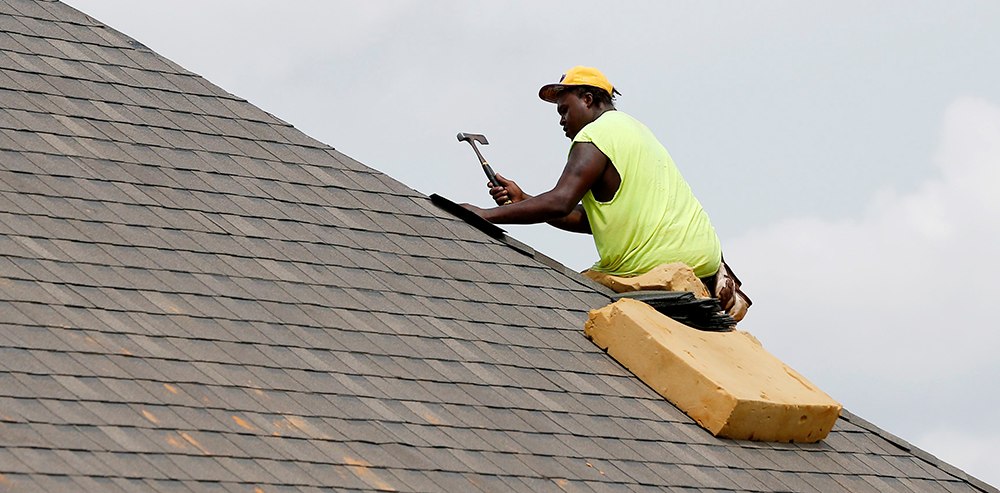
For solar panels to remain on your roof even when there are extreme weather conditions, they will need to be affixed to something firm. Ensure that your roofing has strong beams or rafters that have the strength to hold out against extreme weather such as storm winds.
Next, clean any debris on your roof such as branches and twigs. This is to ensure that the panels are placed on a smooth surface that doesn’t have any obtrusions. Cleaning your roof will prevent panels from getting damaged as well as shorten the time it takes for the installation to complete.
Remember that solar panels only work when they have access to direct sunlight. If there are any obstructions that are blocking sun rays from your rooftop, it is important that you clear them. This means you should get rid of things such overarching branches hanging over your roof.
As we mentioned earlier installers will have to go on top of your roof to install panels. Even with the most skilled and seasoned installers carrying out the installation, unplanned accidents can occur. To protect yourself, check if your still have a valid warranty on your roofing. Depending on the condition of your roof, it may also be a good idea to comprehensively insure your roof before inviting solar panel installers.
On carrying out the steps above, you can make the work of installers easier (and perhaps cut back on the overall installation costs in the process) by marking out the specific area where you want the panels installed. The only condition is that you should pick an area with direct access to sunlight preferably throughout most of the day. If you don’t know how to pick the best installation area, ask your installer to help you pick out the best location for the panels.
Final Word
Preparing your roof for solar panel installation can be a risky venture given that you will have to climb atop the roof for almost all preparation processes. A great option is to approach a solar installation company that offers solar finance options that can help you afford the cost of professional installation. If you are not handy, don’t risk your life by attempting to ‘DIY’ everything. Consider hiring a handyman to help you prepare your roof for the upcoming installation.

Choosing the right roof color can be a confusing business – there are just so many choices. Of course, if you have a Homeowners Association (HOA) your choices may have to meet their criteria – but even with limitations, there are a myriad of colors to choose from. Each of those colors will be a reflection of your personal tastes and style, and in certain circumstances, a great-looking roof can have a positive effect on the value of your home, so the decision must be made by a combination of heart and mind.
The temptation is to turn to your contractor for advice. They were selected as a result of diligent research into just which service provider fills you with confidence that they can get the job done – in other words, you trust them.

Your selected contractor will have years of experience in the painting of roofs and roof waterproofing – and will have a good idea of the most popular roof paint colors for your style of home and your neighborhood. They will be experts on the subject of the best product to use for painting the roof, and they may have insight into popular colors (they’ll by and large be safe and not too extravagant) – but in the end, the decision of which color to select will fall to you – and be dictated by your personality.
Once you have made your choice (or a selection of choices) feel free to discuss them with your contractor. They may be able to point out the pros and cons of each color choice. Do not hesitate to ask questions, you’re the customer and the color of the roof will not only affect the resale value of your home, but it also represents a significant investment, in both fiscal terms – and in the future happiness of your family.
Best color for your roof
There are some steps that you can take to ensure that you make the right choice when it comes to the color of your roof. Firstly look around for house images on the Internet and around your neighborhood. The research will help you narrow down your choices by looking at actual homes. Remember, a color swatch is not an infallible guideline – colors may look very different when they are applied to large spaces such as a roof. Make sure that the roof color of the images that you are looking at compliments the exterior wall paint.
Your contractor might very well have the addresses of local homes that match your color preferences. Even if they do not, spend some time visiting these houses, you may very well find a color that causes you to change your mind. If you have the time, ring the doorbell and have a chat with the homeowner about their choice and how the paint is holding up. If nothing else, it will provide you with added confidence in your choice of roof painting contractor.
Your roof color is a very personal choice, but your contractor is there with you every step of the way, and you can rely on them to source the very best products that match your choice of paint.


All of our roofing technicians are extensively trained to repair almost any type of commercial roof with a deep understanding of building codes, energy solutions and roof systems—including all nine major roofing systems and more than 60 subsets.

Whether it’s metal, built-up, single ply, modified, or spray foam, we’ll install the energy-efficient roofing system that best meets your needs and budget. And while we hope there’s never an issue down the road, we can provide you with a full Labor.

Intervening with a roof restoration at the right time can save as much as half the cost of a complete tear-off and replacement, not to mention saving you the disruption to your business and the landfill waste created in the process.

Apart from the fact that you will be actively participating in preserving the planet through the use of sustainable and renewable energy in your home, installing solar panels on your property will come with a host of other benefits including tax rebates, reduced monthly utility expenses, increased property value, and more market opportunities should you decide to sell the property, among others.
If you have chosen to go solar, there is one thing you should remember: Read More

Choosing the right roof color can be a confusing business – there are just so many choices. Of course, if you have a Homeowners Association (HOA) your choices may have to meet their criteria – but even with limitations, there are a myriad of colors to choose from. Each of those colors will be a reflection of your personal tastes and style, and in certain circumstances, a great-looking roof can have a positive effect on the value of your home, so the decision must be made by a combination of heart and mind.
The temptation is to turn to your contractor for advice. Read More