
How To Spot Early Signs Of Roof Damage Before It Becomes Expensive
Your roof does a lot of work quietly. Most of the time, you only think about it when there is already a leak, a missing tile, or a damp patch that has found its way indoors. The problem is that roof damage rarely starts as a major emergency. In many cases, the early signs are small, easy to miss, and much cheaper to deal with if they are spotted in time.
If you know what to look for, you can often catch a roofing problem before it spreads into the timbers, insulation, ceilings, or walls. Below are some of the early warning signs that your roof may need attention.
Check for marks inside the loft or ceiling
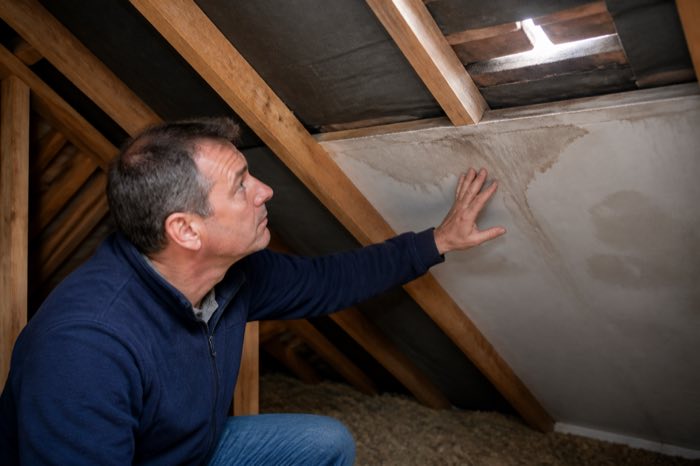
A small water stain in the loft can be one of the first signs that rain is finding a way through the roof. It may appear as a brown patch on timber, a darker mark on insulation, or a faint stain on the ceiling below. These marks can come and go depending on wind direction and rainfall, so they should not be ignored just because the area feels dry when you check it.
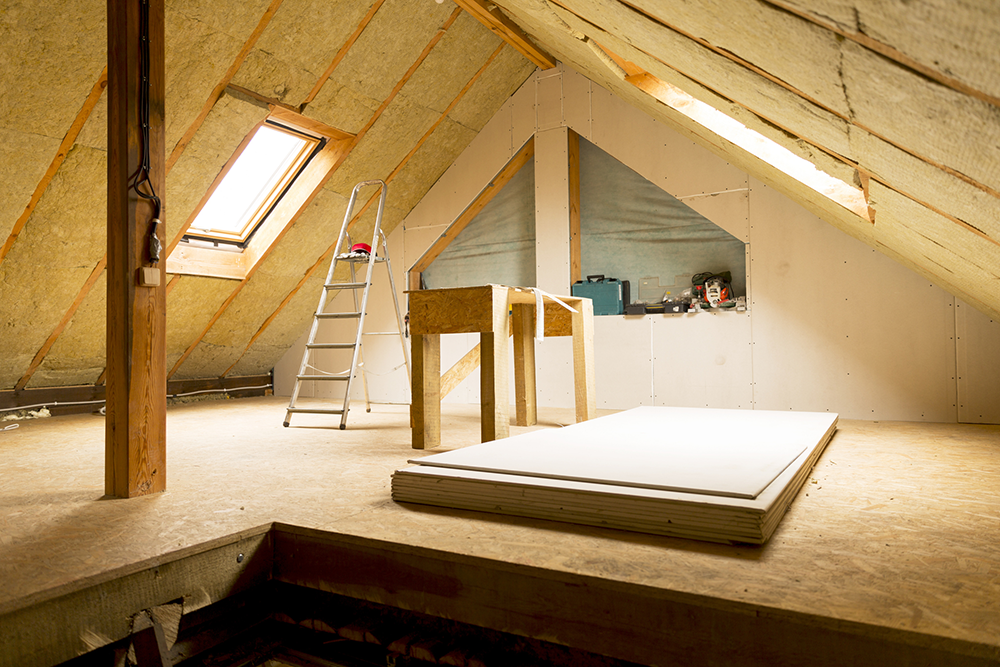
It is also worth looking for musty smells, mould growth, or insulation that feels damp or compressed. These are all signs that moisture may be getting into the roof space. Even a small leak can cause problems over time, especially during wet or cold months when the roof has less chance to dry out properly.
Look for slipped, cracked, or missing tiles
From ground level, you may be able to see tiles that have moved out of line, cracked, or disappeared altogether. A single slipped tile might not look serious, but it can leave the felt and timber underneath exposed to rain. Once water gets beneath the outer layer of the roof, it can travel before it becomes visible indoors.
After strong winds, heavy rain, or a cold spell, it is sensible to stand back from the property and check the roof from a safe position. Do not climb onto the roof yourself. A quick visual check from the garden, driveway, or upstairs window can still tell you a lot.
Pay attention to gutters and roof edges
Blocked gutters can cause water to back up and spill into places it should not go. Leaves, moss, broken tile pieces, and other debris can stop rainwater from draining properly. Over time, that extra water can affect fascias, soffits, brickwork, and the lower edge of the roof.
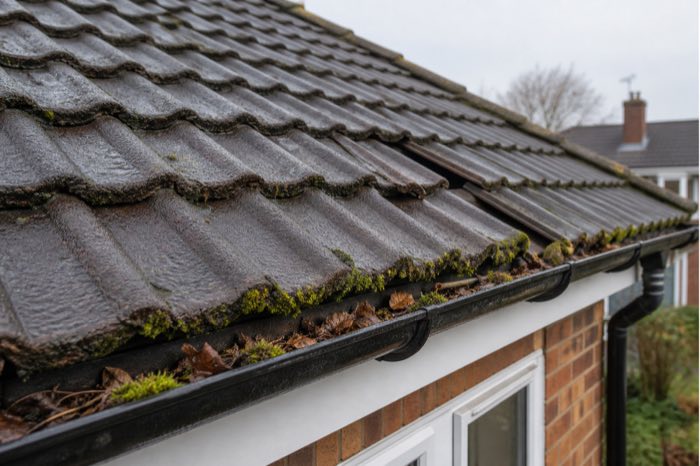
Moss on the roof is not always an emergency, but heavy moss growth can hold moisture and add weight. It can also break away and block gutters. If you regularly find pieces of tile, grit, or mortar in the guttering, that may be a sign that parts of the roof surface are wearing down.
Watch the chimney and flashing
Chimneys are a common place for roof leaks to begin. The flashing around the chimney has to keep water out where two different surfaces meet, and those joints can loosen or crack with age. Damaged pointing, gaps in the mortar, or lifted leadwork can all allow water into the roof.
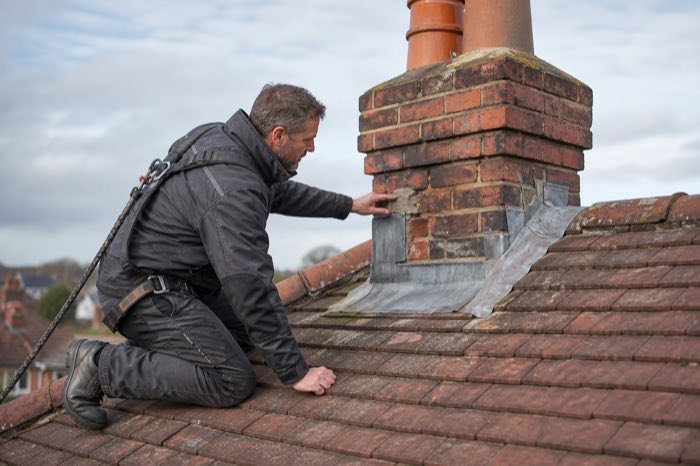
If you can see loose mortar, staining around the chimney breast, or damp patches near a fireplace, it is worth arranging a proper inspection. Small repairs around a chimney are usually much easier to manage than damage that has been left through several seasons of bad weather.
Do not wait for a leak to become obvious
One of the biggest mistakes homeowners make is waiting until water is dripping through the ceiling. By that point, the leak may already have affected plasterboard, insulation, timber, or electrics. Early roofing repairs are usually more straightforward, less disruptive, and less expensive than emergency work after a leak has spread.
If something looks out of place, it is better to ask for advice sooner rather than later. A professional roofer can check the condition of the tiles, flashing, gutters, ridge, and roofline, then explain whether the issue needs a repair now or simply monitoring.
Spotting roof damage early is mostly about paying attention to small changes. Damp marks, slipped tiles, blocked gutters, and tired chimney flashing are all warning signs that should be checked before they turn into a bigger problem. Keeping on top of these details helps protect the rest of the home and can save you money in the long run.